 By Ridge Davis
Stepping into a casino is an experience unlike any other. The atmosphere is electric, the lights are dazzling, and the excitement is palpable. Whether you are playing poker, blackjack, or slots, there’s more to the casino experience than luck and skill—it’s about understanding and respecting casino etiquette. Knowing the unspoken rules of conduct separates casual visitors from seasoned players. It ensures everyone enjoys a professional, respectful, and fair environment. In this article, we’ll explore everything every player should know about proper casino behavior, from gaming table manners to interactions with dealers and fellow patrons.
Why Casino Etiquette Matters
Casinos operate on precision, fairness, and courtesy. Maintaining etiquette keeps the environment enjoyable and professional. A casino floor is a blend of cultures and personalities, and just like in fine dining or corporate environments, respect is key. Understanding etiquette benefits players in several ways:
- Enhances reputation among regulars and staff.
- Improves gameplay experience by reducing misunderstandings or conflicts.
- Shows respect for dealers, hosts, and other players.
- Prevents accidental rule violations that could lead to penalties or removal.
Casino etiquette is not just about formality—it’s about ensuring the game flows smoothly, everyone feels comfortable, and the atmosphere remains positive.
The Basics of Casino Behavior
Dress Code Awareness
While modern casinos vary in their requirements, many high-end establishments still enforce a dress code. Dressing appropriately shows respect for the environment and other guests.
- Luxury casinos: Men should opt for jackets, collared shirts, and dress shoes. Women typically wear cocktail dresses or elegant attire.
- Casual casinos: Clean, neat, and comfortable clothing works fine, but avoid beachwear, ripped jeans, or flip-flops.
- Tip: Always check the casino’s website or inquire beforehand to avoid being turned away at the entrance.
Respecting the Casino Staff
Dealers, hosts, and security personnel work hard to maintain order and ensure fairness. Always treat them with courtesy. Avoid raising your voice or questioning their integrity during disagreements. If you believe a mistake occurred, politely ask for clarification. Remember, professionalism earns mutual respect.
Keep the Noise Controlled
While casinos thrive on energy, shouting or disrupting other tables breaks the rhythm of the game. Expressing excitement is fine, but do it tastefully. Excessive noise distracts both players and dealers, particularly at poker or blackjack tables that require focus.
Etiquette at the Gaming Table
Learn the Rules Before Playing
Every casino game has its own set of rules and procedures. Before joining a table, make sure you understand the basics. It’s poor form to ask the dealer to explain every detail while others wait to play. If unsure, observe a few rounds before joining or review the casino’s guide.
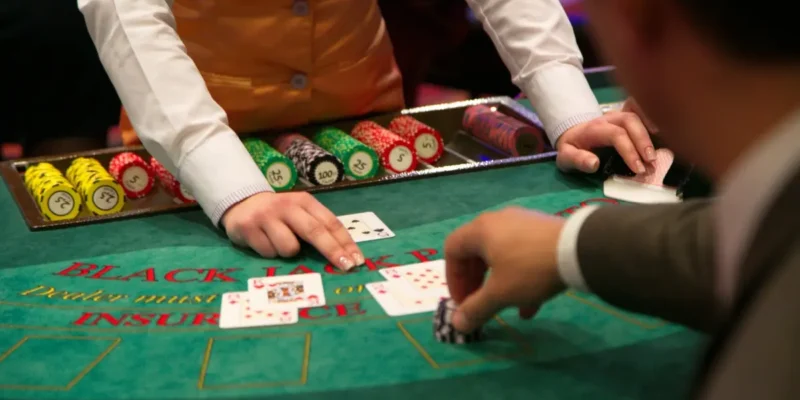
Handle Chips Properly
Chips are the casino’s currency, and how you manage them reflects your level of experience and respect.
- Don’t splash the pot in poker (throwing chips carelessly into the pot).
- Place your bets clearly before the dealer announces “no more bets.”
- Avoid touching chips once a hand has started.
- Stack your chips neatly so the dealer and other players can easily see them.
Wait Your Turn
In games like blackjack, players act in sequence. Jumping ahead or interrupting others disrupts the flow. Wait patiently for your turn, even if others take their time.
Don’t Give Unsolicited Advice
Unless someone explicitly asks for help, refrain from commenting on their play. Offering advice or criticizing another player’s strategy is impolite and often unwelcome. Remember, everyone plays at their own pace and risk level.
Avoid Blaming the Dealer
Dealers don’t control outcomes. Expressing frustration or blaming them for a losing streak is considered poor etiquette. Maintain composure, and remember that games of chance are unpredictable by nature.
Tipping Etiquette
Tipping is a fundamental part of casino culture, especially in the United States. Dealers, waitstaff, and valets often rely on tips as part of their income.
- At table games: Tip the dealer occasionally, especially after winning hands. A standard tip might be 5% to 10% of your winnings or a small chip.
- At slots: If a staff member assists with a jackpot or technical issue, tipping a small amount is appreciated.
- For service staff: Bartenders, servers, and valets should receive standard hospitality tips (around 15% to 20% for service).
Generosity builds goodwill and may even enhance your experience, as friendly dealers and staff often go out of their way to make your visit more enjoyable.
Casino Floor Conduct
Respect Personal Space
Casinos can be crowded, but personal space still matters. Avoid leaning over other players or touching their belongings. If you need to reach for something, politely excuse yourself first.
Keep Phones Away at the Table
Using mobile phones at gaming tables is generally frowned upon or prohibited. It can slow down play and raise suspicion about cheating or outside communication. If you must take a call, step away from the table.
Manage Alcohol Responsibly
Casinos often provide complimentary drinks to players, but moderation is essential. Excessive drinking can impair judgment and lead to behavior that violates etiquette or even casino policy. Responsible drinking keeps the environment pleasant and respectful.
Photography Rules
Always check before taking photos. Many casinos restrict photography on the gaming floor to protect guests’ privacy. Taking pictures without consent may result in warnings or ejection.
Slot Machine Etiquette
While slot machines seem simple, proper manners still apply.
- Don’t “camp” at multiple machines if the casino is busy.
- Avoid interrupting someone mid-spin.
- Use the “reserved” sign or leave a personal item if stepping away briefly.
- Don’t hover behind players waiting for them to leave a machine.
Slots are personal experiences, and maintaining courtesy ensures everyone enjoys their play.
Poker Table Etiquette
Poker requires strategy, composure, and respect. Because players compete against each other rather than the house, etiquette is especially crucial.
- Don’t act out of turn: Wait until your turn to bet or fold.
- Protect your hand: Use a chip or card protector to prevent accidental exposure.
- Don’t celebrate excessively: Be humble in victory and graceful in defeat.
- Avoid “slow rolling”: Intentionally delaying a winning hand reveal is seen as disrespectful.
Good poker etiquette builds trust and keeps the game professional and enjoyable.
Etiquette for High-Roller Rooms
Luxury or VIP gaming areas demand an even higher level of decorum. These rooms are often reserved for high-stakes players, and discretion is expected.
- Maintain a calm, respectful demeanor at all times.
- Dress appropriately and avoid overly casual attire.
- Respect privacy—never discuss another player’s wagers or winnings.
- Tip generously, as staff cater to personalized service levels.
High-limit rooms are as much about social reputation as they are about wealth. Professional conduct earns you respect among both players and casino hosts.
Cultural Considerations in Casino Etiquette
Casinos around the world follow similar core principles but may differ slightly based on cultural norms. For instance:
- In Asian casinos, bowing slightly to dealers or showing deference is common.
- In European establishments, a more formal dress code is typical.
- In American casinos, tipping plays a larger role than in many other regions.
When traveling internationally, familiarize yourself with local customs. It not only prevents missteps but also enhances your reputation as a respectful player.
Responsible Gaming as Part of Etiquette
True casino etiquette includes responsible gaming. Knowing when to stop, controlling emotions, and maintaining composure are marks of a professional player.
- Set a budget before entering the casino.
- Avoid chasing losses or borrowing money.
- Respect table limits and play within your means.
- Never interfere with others’ gameplay due to frustration.
Responsible gaming ensures fairness and sustainability, protecting both your experience and the casino’s integrity.
Casino Etiquette for New Players
For newcomers, walking into a casino can feel overwhelming. A few key practices make integration smooth:
- Observe others before joining a game.
- Ask floor staff for clarification rather than interrupting a table.
- Be humble and open to learning.
- Start with lower-stakes tables to gain confidence.
Casinos welcome new players who respect the environment and approach the experience with courtesy and curiosity.
FAQs about Casino Etiquette
Q: Is it rude to leave a table immediately after winning?
A: No, but doing so repeatedly can seem unsporting. Many players prefer to stay for a few rounds to maintain a friendly atmosphere.
Q: How much should I tip a dealer at the end of a session?
A: There’s no fixed rule, but a tip equivalent to 5% of your profit or a few chips per hour is appreciated.
Q: Can I bring friends to watch me play?
A: Some casinos allow spectators at certain tables, but they must remain quiet and not distract players. Always check with the dealer or pit boss first.
Q: What should I do if another player is being rude or aggressive?
A: Avoid confrontation. Notify a floor manager discreetly and let staff handle the situation.
Q: Is it acceptable to touch cards in every game?
A: No. In most table games like blackjack or baccarat, players should not touch cards unless the dealer instructs them to. Always wait for direction.
Mastering casino etiquette transforms gaming from mere chance into an art of respect and composure. Whether you’re a casual visitor or a seasoned high-roller, understanding how to behave in a casino enriches the experience for everyone involved. Casinos thrive on sophistication and order, and those who play with dignity and courtesy not only enjoy themselves more but also earn the admiration of staff and fellow players alike.