
 By Ridge Davis
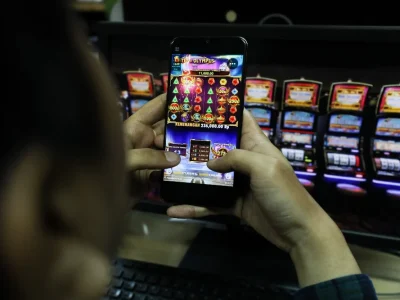
The gambling industry has undergone a massive transformation over the past decade, driven primarily by the evolution of mobile technology. What once required a trip to a casino or access to a desktop computer can now be done from virtually anywhere through a smartphone or tablet. The rise of mobile gambling apps has redefined accessibility, convenience, and engagement, turning gambling into a 24/7 activity. Understanding how mobile apps revolutionized gambling access reveals not just technological innovation but also shifts in consumer behavior, regulation, and social dynamics.
The Shift from Traditional Gambling to Mobile Platforms
Before the mobile revolution, gambling was largely confined to physical locations or desktop-based online platforms. Players had to visit casinos, betting shops, or use computers at home to place bets. The arrival of smartphones fundamentally disrupted this pattern, giving users the ability to gamble at any time with just a few taps.
This shift represents more than convenience; it marks a cultural and economic shift in how people view gambling. Mobile technology has transformed gambling from an occasional leisure activity into a continuous, on-demand experience.
The Power of Accessibility
Mobile apps have removed nearly all barriers to entry. Whether on a morning commute, waiting in line, or relaxing at home, users can instantly access casinos, poker rooms, and sports betting platforms. The availability of high-speed internet and intuitive app design has made gambling smoother, faster, and more interactive.
The accessibility factor also extends beyond geography. People in regions without easy access to brick-and-mortar casinos can now experience gambling from their smartphones. This has opened new markets and dramatically increased the global player base.
The Influence of App Design and User Experience
Design innovation has been central to the mobile gambling revolution. Developers focus on seamless interfaces, quick-loading games, and engaging visuals that mimic the excitement of real casinos. The integration of touch-screen functionality has made games more tactile and immersive, creating a stronger emotional connection between the player and the experience.
Features such as push notifications, real-time odds updates, and one-click payments make gambling more immediate. Players no longer have to wait or plan ahead; they can act on impulse. This instant gratification has fueled the popularity of mobile apps across all gambling categories.
Technological Advancements Behind Mobile Gambling
The explosion of mobile gambling access didn’t happen overnight. It was fueled by several key technological developments that collectively reshaped how players engage with betting platforms.
Smartphone Power and Connectivity
Modern smartphones are powerful enough to run high-definition games with complex graphics and real-time interactivity. Combined with 5G networks, users now enjoy low-latency connections that make live betting and streaming casino games possible without lag.
The rise of mobile wallets and secure payment APIs has also streamlined financial transactions. Players can deposit and withdraw funds instantly using integrated payment systems like Apple Pay or digital banking apps, enhancing the overall convenience.
Artificial Intelligence and Personalization
Artificial intelligence (AI) has become an essential part of mobile gambling platforms. AI-driven algorithms analyze user behavior to personalize recommendations, bonuses, and in-game content. This technology helps retain players by creating a tailored experience that aligns with their preferences and habits.
For instance, a user who frequently bets on sports might receive customized notifications about live events, while a poker enthusiast may be shown exclusive tournament promotions. Personalization ensures that the gambling experience feels relevant, engaging, and unique to each player.
The Rise of Live and Interactive Features
Mobile apps have blurred the line between online and real-world gambling through innovations like live dealer games and real-time sports betting. Live dealer technology allows players to interact with human dealers via HD streaming, replicating the atmosphere of a physical casino from the comfort of their phone.
Similarly, live sports betting apps let users wager on games as they happen, with constantly updated odds. This interactivity enhances engagement, as users feel more connected to the action.
The Expansion of Gambling Markets Through Mobile Apps
One of the most significant impacts of mobile gambling apps is their ability to expand the global gambling market. With smartphones in almost every pocket, gambling operators have reached audiences that traditional casinos could never access.
Breaking Geographic Barriers
Mobile technology transcends physical boundaries. Players in remote or underserved regions can now participate in the same gambling experiences as those in major urban centers. This democratization of access has fueled exponential growth in user numbers worldwide.
Additionally, mobile apps support multiple languages and currencies, allowing international players to participate seamlessly. This has turned gambling into a truly global industry, with cross-border interactions and massive player networks.
Catering to a Younger Demographic
Mobile gambling has also attracted a younger audience accustomed to digital entertainment. This generation values convenience, speed, and interactivity—traits that mobile apps deliver perfectly. Gamification features such as leaderboards, achievements, and social challenges appeal to these users, merging gaming culture with traditional betting.
The result is a new wave of digitally native gamblers who engage differently from their predecessors, seeking dynamic, on-demand experiences rather than static casino environments.
The Role of Mobile Payments and Security
Security and payment innovations have played a critical role in the success of mobile gambling. Without secure, seamless transactions, users would be hesitant to gamble online.
Secure Payment Systems
Modern gambling apps integrate encrypted payment gateways that protect financial information. Many now accept a range of payment methods, including:
- Credit and debit cards
- E-wallets and mobile wallets
- Cryptocurrency and blockchain-based transfers
- Bank transfers and instant deposits
The inclusion of digital payment systems has also enabled micro-betting, where users can place small, frequent bets without cumbersome payment delays.
Data Protection and Responsible Gambling
With greater access comes greater responsibility. Leading mobile platforms employ advanced data protection measures, including two-factor authentication, SSL encryption, and AI-based fraud detection.
Additionally, many apps now include responsible gambling features such as self-exclusion tools, spending limits, and session reminders. These measures aim to balance accessibility with user protection, acknowledging the potential risks of mobile-based gambling.
The Social Dimension of Mobile Gambling
Mobile apps have transformed gambling from a solitary activity into a social experience. Through social networking integration, leaderboards, and live chat features, players can now interact with others around the world.
Community and Competition
Many gambling apps incorporate social elements such as tournaments, player rankings, and friend challenges. This competitive and communal atmosphere increases engagement and provides a sense of belonging.
Social casino games, for example, allow users to play without wagering real money but still experience the excitement of competition. These platforms act as entry points for new players and contribute to the cultural normalization of mobile gambling.
The Influence of Streaming and Influencers
Streaming platforms and influencers have amplified mobile gambling’s reach. Live streamers often share their gameplay, creating content that entertains and educates viewers about different gambling strategies. This exposure has made gambling more mainstream, blending it with digital entertainment trends.
Regulation and the Challenge of Accessibility
While mobile apps have democratized access to gambling, they have also created new regulatory challenges. Governments and licensing bodies face the task of balancing economic benefits with consumer protection.
Licensing and Compliance
To ensure transparency and fairness, mobile gambling operators must comply with stringent licensing requirements. Regulators mandate that apps use certified random number generators (RNGs) and provide tools for responsible play.
However, because apps operate globally, enforcing consistent standards across jurisdictions remains complex. Regulatory frameworks must evolve alongside technology to prevent exploitation and maintain integrity.
Addressing Problem Gambling
The convenience of mobile gambling can contribute to addictive behavior if not managed responsibly. Instant access means players can gamble impulsively at any time, increasing the risk of excessive play.
Modern apps counter this with monitoring systems that detect problematic patterns, such as frequent deposits or extended play sessions. By integrating early-warning algorithms and self-regulation tools, platforms aim to create a safer gambling ecosystem.
The Future of Mobile Gambling Technology
The next phase of mobile gambling innovation will likely focus on immersive technologies, artificial intelligence, and deeper personalization.
Virtual Reality (VR) and Augmented Reality (AR)
VR and AR are poised to make gambling even more interactive. Imagine putting on a headset and walking through a virtual casino, interacting with dealers and players as if you were physically there. This level of realism could redefine engagement, making mobile gambling more experiential than ever before.
Predictive Analytics and Machine Learning
Advanced analytics will continue shaping user experiences by predicting behavior and customizing content. Apps will use data to anticipate player preferences, offering tailored rewards and game recommendations. This not only enhances engagement but also supports responsible gambling by identifying risky patterns early.
Blockchain Integration
Blockchain technology is expected to enhance transparency and fairness in mobile gambling. By recording transactions and outcomes on immutable ledgers, it ensures accountability and trust between users and operators.
FAQs
How did mobile apps change gambling accessibility?
Mobile apps eliminated physical and geographical barriers, allowing users to gamble anytime and anywhere. They turned gambling into an on-demand experience accessible through smartphones.
Are mobile gambling apps safe?
Yes, reputable apps use encryption, two-factor authentication, and licensed software to protect user data and financial transactions. Players should always verify that an app is regulated before using it.
Do mobile gambling apps encourage addiction?
The constant accessibility of mobile gambling can increase addiction risks, but many platforms include responsible gambling tools such as spending limits and self-exclusion features to mitigate harm.
What is the future of mobile gambling technology?
The future will see greater use of AI, virtual reality, and blockchain, making gambling more immersive, personalized, and transparent.
Can skill-based games succeed on mobile platforms?
Yes, skill-based gambling is growing rapidly on mobile apps, attracting users who prefer strategy and competition over pure chance. These games blend entertainment with skillful gameplay, appealing to a younger demographic.
The rise of mobile gambling apps has fundamentally redefined how people engage with betting and gaming worldwide. By merging convenience, technology, and interactivity, these apps have turned gambling into a global, always-available experience. As innovation continues, the challenge will be balancing accessibility with responsibility—ensuring that the digital evolution of gambling remains both exciting and sustainable for future generations.