
 By Ridge Davis
Many novice poker players view Texas Holdem or Omaha as a static puzzle to be solved exclusively through the lens of starting hand charts and raw card mathematics. While memorizing the probability of completing a flush draw or calculating pot odds is essential, these technical baseline metrics only represent a fraction of the game ecosystem. True mastery of poker requires a deep, active understanding of table dynamics.
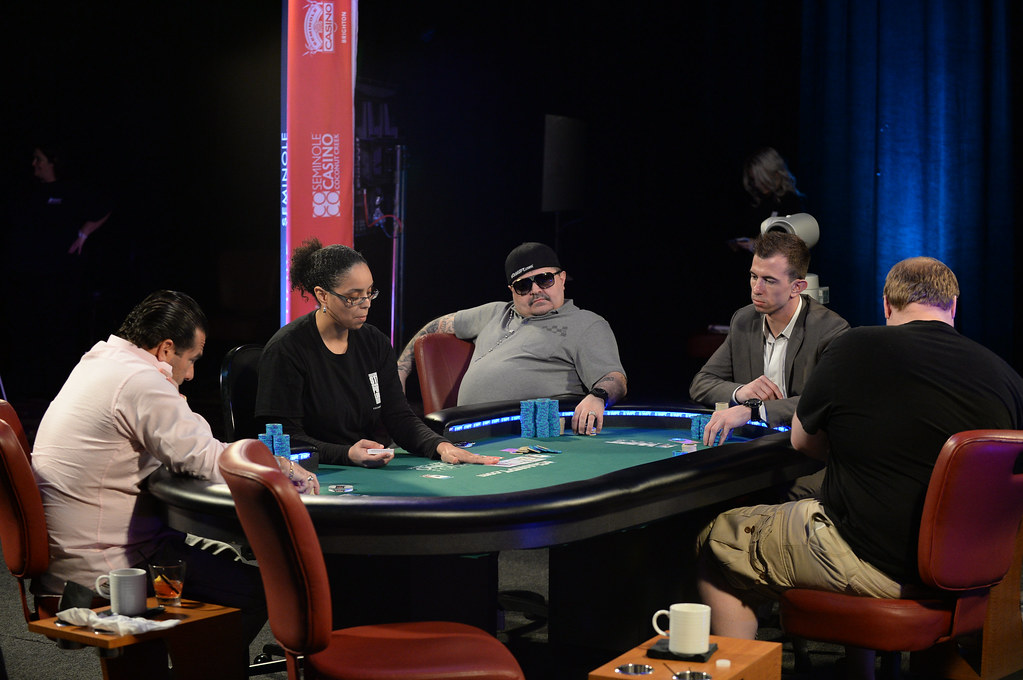
Table dynamics refer to the complex psychological, structural, and behavioral interplay that continuously evolves between individual participants during a live or digital poker session. It encompasses player personality archetypes, recent physical confrontations, betting histories, and chip stack distributions. In a live environment, a move that is highly profitable at one table could be an absolute disaster at another, depending entirely on the specific human ecosystem surrounding the chips. Successful decision making requires you to constantly look up from your cards and read the room.
Defining Player Archetypes and Physical Positioning
The structural foundation of table dynamics begins with identifying the specific behavioral categories of the players sharing the felt and looking at where they sit in relation to your seat. Every participant can be evaluated based on two primary spectrums: loose versus tight, and passive versus aggressive.
Deciphering the Standard Archetypes
A tight-passive player, often referred to as a rock, plays very few opening hands and rarely bets or raises when they do enter a pot. When a tight-passive player suddenly displays immense betting aggression on a late street, table dynamics suggest you should instantly fold all but your most absolute premium holdings.
Conversely, a loose-aggressive opponent plays a massive variety of starting hands and uses aggressive betting and raising behavior to force errors from their adversaries. Against a loose-aggressive individual, the value of your mediocre showdown hands rises substantially, as their betting range is packed with complete bluffs and semi-bluffs.
The Critical Nature of Position and Flow
Your physical seat location determines the mechanical flow of information throughout a hand. Having position on an opponent means you sit to their left, allowing you to observe their action before deciding how to play your own cards on every single street.
-
The Dominant Left Side: When a loose, erratic player sits immediately to your right, you occupy a highly profitable seat. You can easily isolate their wide opening ranges and control the final pot size.
-
The Dangerous Right Side: If that exact same loose-aggressive player sits immediately to your left, your seat becomes highly uncomfortable. Every time you enter a pot, you face the imminent threat of an aggressive raise from an opponent who holds a permanent informational advantage over you.
Analyzing History, Retaliation, and Metagame
Poker is not played in an isolated vacuum. Every hand completed creates a historical footprint that shapes future choices. This concept is broadly referred to as the metagame, or the overarching game within the game.
The Psychology of Recent Confrontations
Human beings are fundamentally emotional creatures, and poker players are highly prone to ego-driven decision making. If two individuals engage in a massive pot where one player loses a large percentage of their chips due to a lucky river card, the dynamic between those two specific players changes instantly.
The losing player may enter a psychological state known as tilt, characterized by reckless, emotionally charged aggression. They will often go out of their way to target the specific individual who took their chips, abandoning all mathematical logic to seek immediate financial revenge. An observant player identifies this volatile dynamic and maneuvers to exploit the widening strategic gaps left by the tilting player.
Managing Image and Deception
Your personal table image is a vital component of table dynamics. If you have not played a single hand over the past forty-five minutes, the entire table will view your next open-raise as a sign of supreme strength. A sophisticated strategist uses this perception to execute a well-timed bluff, knowing their current image commands immense respect.
On the other hand, if you have been caught bluffing twice within the last orbit, your table image is heavily compromised. You can no longer successfully execute bluffs, but you can maximize your payouts by betting your premium made hands aggressively, as your opponents are highly likely to call you down with weak holdings.
The Structural Impact of Stack Size Distributions
Table dynamics are heavily influenced by the physical volume of chips sitting in front of each player. Stack sizes dictate the level of financial risk present in any given encounter and control the mathematical boundaries of implied odds.
When deep-stack poker is taking place, players can afford to play speculative hands like small pocket pairs and suited connectors, as the potential reward for hitting a hidden set or straight is massive. However, when short-stacked players enter the dynamic, the room for creative post-flop play completely disappears. A player holding a short stack is mathematically committed to a shove-or-fold strategy pre-flop, forcing the deep-stacked players to tighten up their opening ranges to avoid getting isolated into high-variance showdowns.
Adjusting Decision Making to Changing Environments
A table that starts out loose and chaotic can transform into a tight, defensive environment within a single orbit. Recognizing these subtle structural shifts allows you to continuously pivot your strategy ahead of the competition.
Transitioning from Cash Games to Tournaments
In a standard cash game, the table dynamic remains relatively stable because players can continuously buy more chips to maintain their stack depth. In a tournament setting, the dynamic is forced into constant motion due to rising blind levels and the looming threat of absolute elimination.
As the money bubble approaches, players with medium-sized stacks often freeze up, playing with extreme caution to secure a minimum cash payout. An expert tournament player leverages this specific survival dynamic by ramping up their aggression, continuously stealing blinds and antes from their defensive opponents.
Navigating the Live vs Digital Divide
In a live casino room, table dynamics are driven by physical tells, vocal table talk, and visible emotional reactions. Players can gauge an opponent’s stress levels by watching their breathing patterns or checking how smoothly they stack their chips.
In the digital realm, these physical inputs are completely absent. Instead, online table dynamics focus entirely on timing tells, betting sizes, and automated data tracking software. A player who takes an unusually long time before checking a wet flop often reveals a difficult strategic dilemma, providing an electronic footprint that can be exploited by an attentive opponent.
Frequently Asked Questions
What should I do if the table dynamic is completely unfavorable to my playing style?
If you find yourself trapped at a table where all the aggressive players sit to your left and the tight players sit to your right, you should immediately request a seat change or look for a completely different table. Forcing yourself to play through a structurally disadvantageous seating arrangement drains your long-term profit margins.
How many hands does it take to establish a reliable baseline table dynamic?
While you can spot extreme archetypes within three or four hands, it generally takes roughly twenty to thirty hands of focused observation to map out a highly accurate blueprint of table tendencies, including opening frequencies, post-flop vulnerabilities, and reaction patterns to aggression.
Does table talk actively improve your ability to decipher table dynamics?
Engaging in casual table talk can be incredibly useful for uncovering an opponent’s psychological baseline. A player who is talkative and relaxed when they hold a premium hand but becomes completely silent and rigid when bluffing provides an invaluable behavioral roadmap for future decision making.
How does the introduction of a new player alter the existing table ecosystem?
A new player acts as an immediate disruptor. The existing flow of the table stops as everyone tests the newcomer’s boundaries. If the new arrival immediately plays three consecutive pots with high aggression, the table dynamic will tighten up significantly as veterans attempt to trap the aggressive unknown player.
Can you rely entirely on table dynamics to win without knowing advanced poker math?
No, table dynamics serve as an advanced modifier to base mathematics, not a replacement. If you completely ignore pot odds and hand equities to focus entirely on psychological reads, you will eventually lose your capital to structurally sound players who anchor their choices in proper mathematical realities.
What is the concept of leveling in poker table dynamics?
Leveling represents the layers of strategic thought occurring during a hand. Level one is considering only your own cards. Level two is thinking about what your opponent holds. Level three is determining what your opponent thinks you hold. Advanced table dynamics require you to figure out exactly what level your opponent is processing data on so you can operate exactly one step ahead of them.